
Doctors are seeing more and more patients with head, neck, and back pain caused by bad posture while using mobile technology such as cell phones and tablets. This growing epidemic is being called “text neck” and can be seen in offices and on streets around the world. “Text Neck” can lead to pinched nerves, herniated […]
A study presented at the European Society of Cardiology (ESC) Congress suggests that incorporating a midday nap into your routine may contribute to better blood pressure control. The research indicates that individuals who took a 60-minute nap after lunch experienced an average reduction of 6 mmHg in their systolic blood pressure compared to those who […]

Maintaining good posture, whether sitting or standing, offers numerous benefits for both physical health and mental well-being. Here’s how standing tall and sitting upright can positively impact your life: 1. Enhances Joint and Spine Health Proper posture ensures that your bones and joints are in correct alignment, reducing unnecessary strain on muscles and ligaments. This […]

Research continues to show that a majority of retirees continue to believe that there is nothing health care practitioners can do about their arthritis pain – especially when arthritis affects their hands. Arthritis can be tough to manage, but if arthritis in your hands is slowing you down, we encourage you to check with a […]
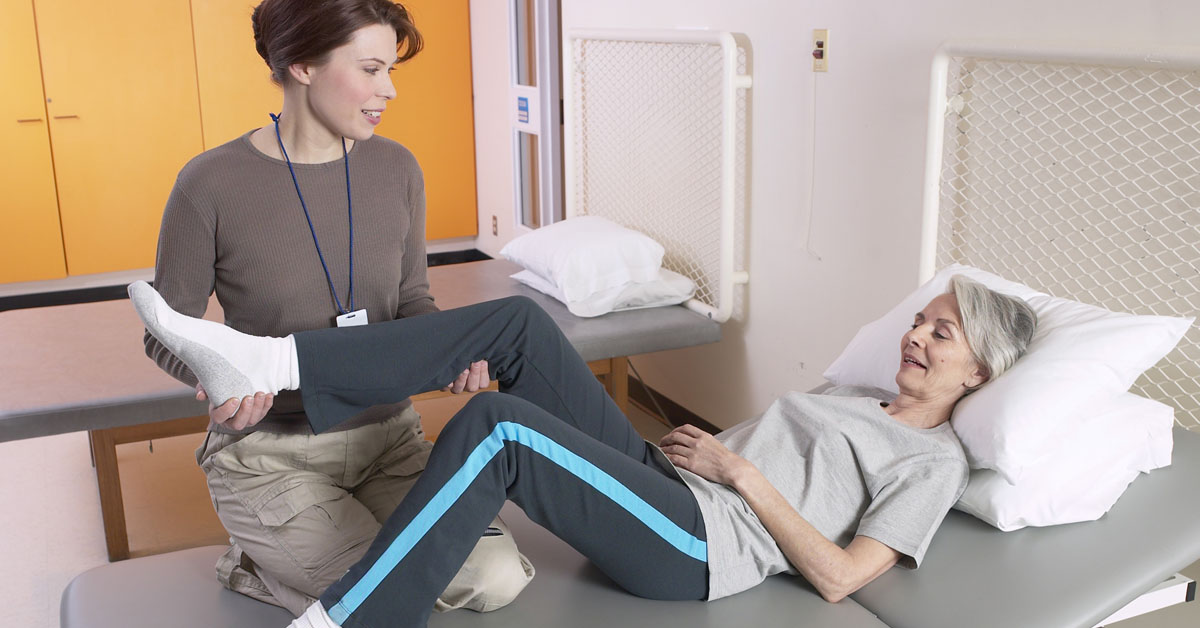
Physical therapy is widely recognized as an effective first-line treatment for managing hip osteoarthritis (OA), providing significant relief from pain and improving joint function. Research consistently supports the benefits of both exercise and manual therapy in reducing OA-related discomfort and disability. Key Predictors of Positive Response to Physical Therapy A study led by Dr. Alexis […]
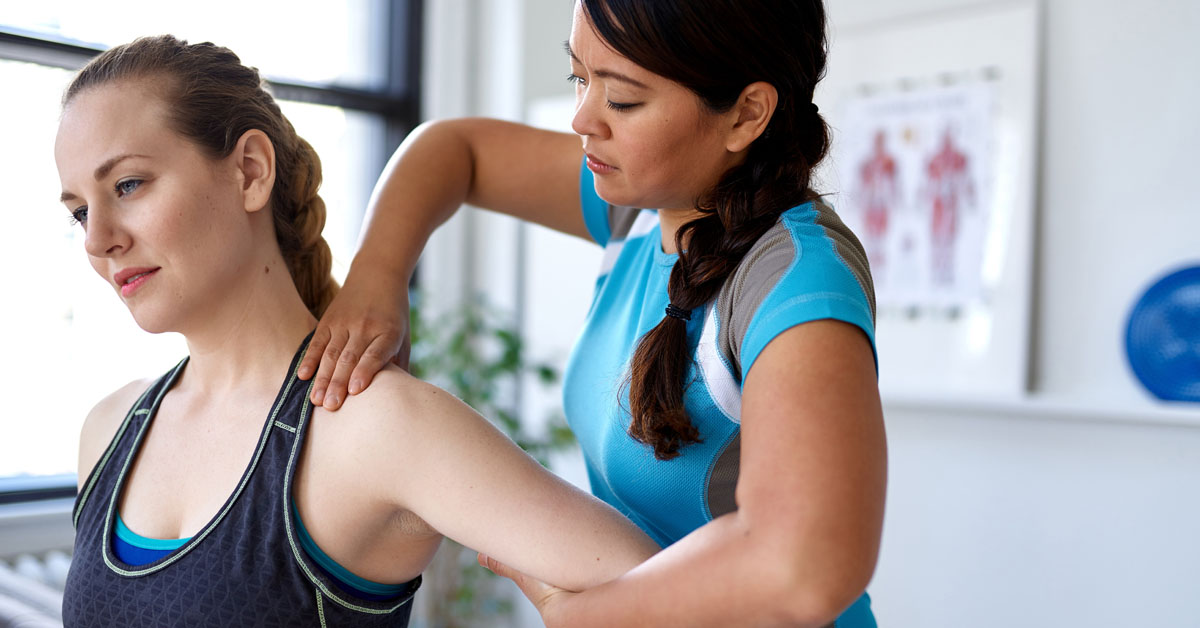
Manual therapy encompasses a variety of techniques where physical therapists use their hands to manipulate the body’s soft tissues and joints. This approach is often integrated into comprehensive rehabilitation programs to address issues like joint stiffness, muscle tension, and chronic pain. Research supports its effectiveness in improving mobility and reducing discomfort when combined with other […]
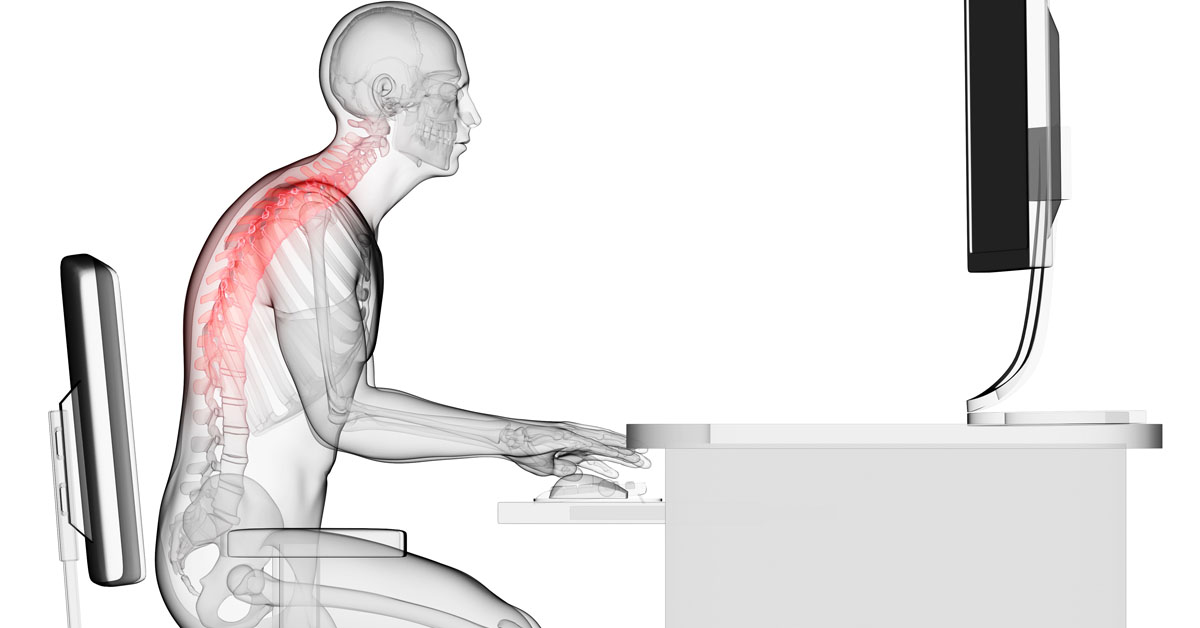
Office work typically involves mildly stressful postures held for prolonged periods of time. This is why office workers experience a particularly high incidence of neck pain, sometimes reported at over 50%. Bad ergonomics at your desk can be a contributing factor, but even optimal ergonomics cannot completely prevent the stress from that prolonged office posture. […]

Many individuals overlook the crucial role their feet play in overall body mechanics. Flat feet, or pes planus, can lead to biomechanical distortions that affect posture, cause pain, and hinder athletic performance. The Structure and Function of the Foot Arch The human foot comprises 26 bones, with the arch acting as a natural shock absorber. […]
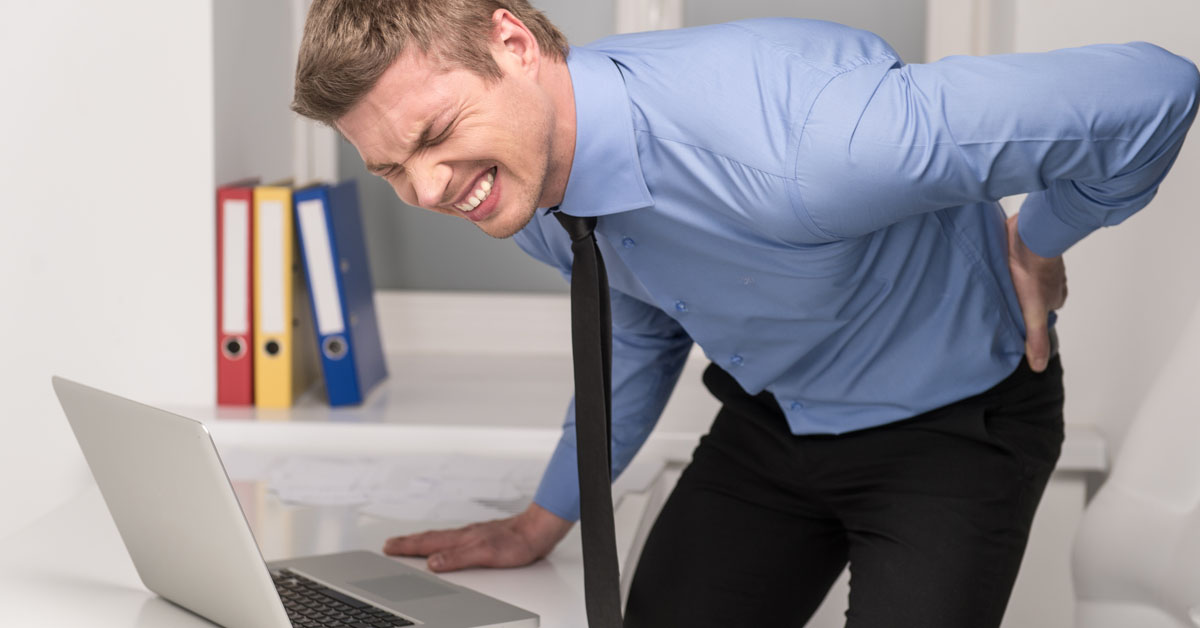
A study was done highlighting the significant benefits of incorporating physical therapy and patient education into the recovery process following back surgery. The findings indicate that patients who engaged in structured exercise programs guided by physical therapists, in addition to receiving educational support, experienced reduced pain, enhanced physical function, and an overall improvement in quality […]
Osteoporosis, or “porous bone,” is a disease of the skeletal system characterized by low bone mass and deterioration of bone tissue. Osteoporosis leads to an increased risk of bone fractures, typically in the wrist, hip, and spine. Diet and exercise can do a lot not only to prevent osteoporosis, but also to reverse osteoporosis that […]
