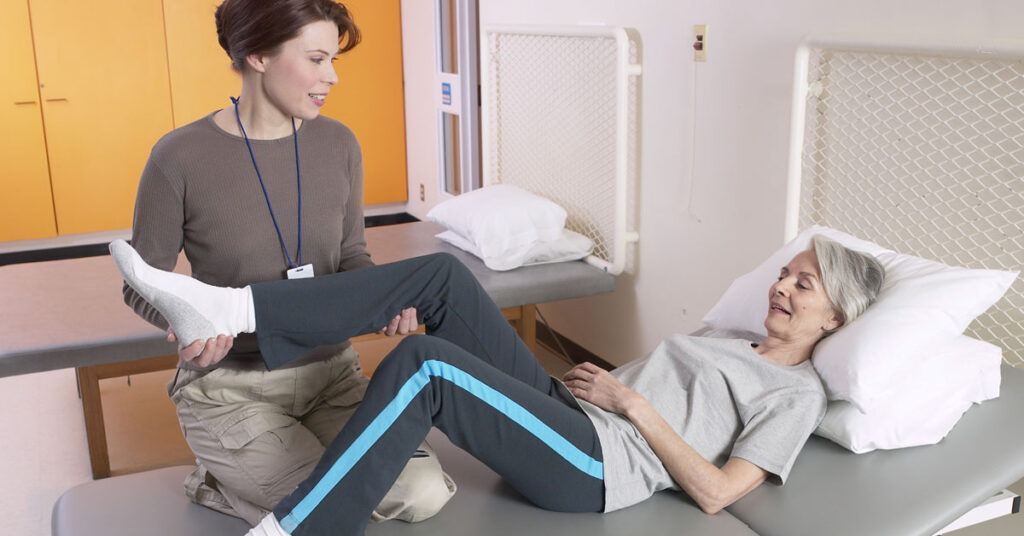
Physical therapy is widely recognized as an effective first-line treatment for managing hip osteoarthritis (OA), providing significant relief from pain and improving joint function. Research consistently supports the benefits of both exercise and manual therapy in reducing OA-related discomfort and disability.
Key Predictors of Positive Response to Physical Therapy
A study led by Dr. Alexis Wright and colleagues identified five clinical factors that can predict a favorable response to physical therapy in individuals with hip OA:
The presence of two or more of these predictors significantly increases the likelihood of a successful outcome with physical therapy, with three or more predictors indicating a 99% chance of improvement.
Study Overview
In the referenced study, 91 patients diagnosed with hip OA were recruited from medical clinics and orthopedic centers. Participants were randomly assigned to receive either standard medical care or one of three physical therapy interventions: manual therapy, exercise therapy, or a combination of both. Each physical therapy group underwent nine one-hour sessions. Success was defined as a reduction of at least three points on an 11-point pain scale after one year.
Results showed that only 2% of patients receiving standard care achieved significant pain relief, compared to 32% in the physical therapy groups.
Implications for Treatment
These findings underscore the importance of early intervention with physical therapy for individuals with hip OA, particularly those exhibiting the identified predictors. Tailored physical therapy programs focusing on manual techniques and targeted exercises can substantially enhance patient outcomes, potentially delaying or eliminating the need for surgical interventions.
If you’re experiencing hip pain or have been diagnosed with osteoarthritis, consulting a physical therapist can be a crucial step toward managing your symptoms and improving your quality of life.
Sources:
1. Pinto D, Robertson M, Abbott J, et al. Manual therapy, exercise therapy, or both, in addition to usual care, for osteoarthritis of the hip or knee. 2: economic evaluation alongside a randomized controlled trial. Osteoarthritis and Cartilage. joca. 06.014.
2. Hernandez-Molina G, Reichenbach S, Zhang B, et al. Effect of therapeutic exercise for hip osteoarthritis pain: results of a meta-analysis. Arthritis Rheum. 58: 1221-1228.
3. Hoeksma H, Dekker J, Ronday H, et al. Comparison of manual therapy and exercise therapy in osteoarthritis of the hip: a randomized clinical trial. Arthritis Rheum. 51: 722-729.
4. Yelin E, Murphy L, Cisternas M, et al. Medical care expenditures and earnings losses among persons with arthritis and other rheumatic conditions in 2003, and comparisons with 1997. Arthritis Rheum. 56: 1397-1407.
5. Osteoarthritis NICE. The Care and Management of Osteoarthritis in Adults. London: National Institute for Health and Clinical Excellence.
6. Wright A, Cook C, Flynn T, et al. Predictors of response to physical therapy intervention in patients with primary hip osteoarthritis. Physical Therapy. 94 (4): 510-524.
{{head}}