
Most people rarely think about their feet, until something begins to hurt. Yet your entire body rests on two relatively small structures that must support your weight, absorb shock, and help you maintain balance throughout the day. When the structure of the feet changes, it can affect much more than just the feet themselves. Biomechanical […]
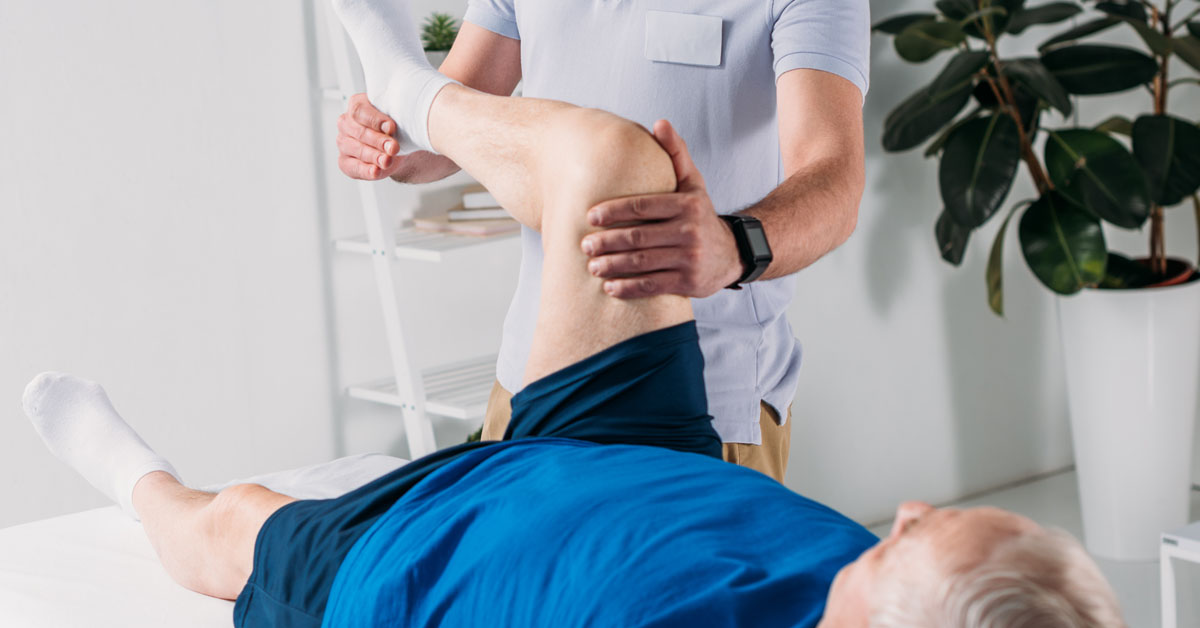
Yes, physical therapy can be an effective treatment for hip osteoarthritis (OA). A growing body of evidence shows that targeted exercises and hands-on treatment can reduce pain and improve function, and they’re widely recommended as first-line care for hip OA by clinical practice guidelines. Exercise programs tailored to individuals, including strength, flexibility, and endurance, help […]

We often think of heart health as something to worry about later in life, but emerging research shows that cardiovascular risk factors in early adulthood can also influence brain health decades down the road. Studies tracking thousands of adults over many years have linked elevated blood pressure, high blood sugar, and other heart risk markers […]

Your muscular system is meant to work in harmony, with opposing groups like flexors and extensors, or agonists and antagonists, balancing each other for smooth, efficient movement. But in real life, many people develop muscle imbalances, even those who are strong or highly active. When muscles don’t pull their fair share, it can reduce your […]
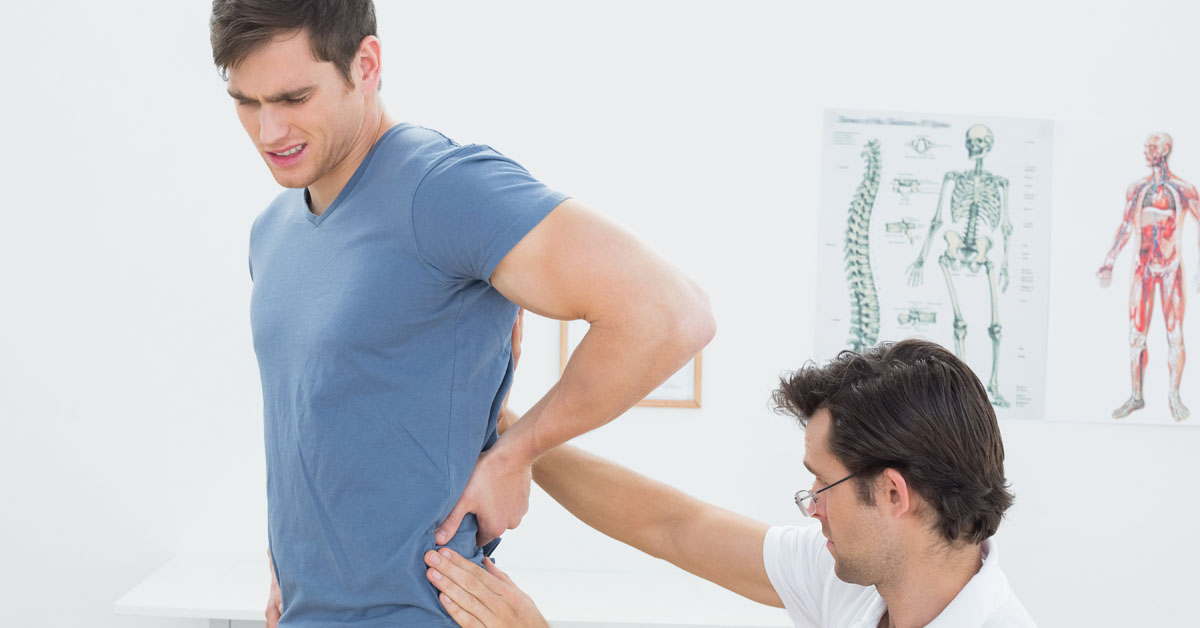
Back pain isn’t just uncomfortable; it can have serious consequences for your ability to work and function long-term. In fact, evidence shows that once someone misses 4–12 weeks of work due to back pain, their chance of being out of work again over the following year increases substantially. Prolonged absence like this is a strong […]

Patellofemoral syndrome is one of the most common causes of knee pain. Often referred to as runner’s knee or jumper’s knee, this condition is frequently seen in athletes, but it can affect people of all activity levels. The most common symptom of patellofemoral syndrome is a dull, aching pain in the front of the knee, […]
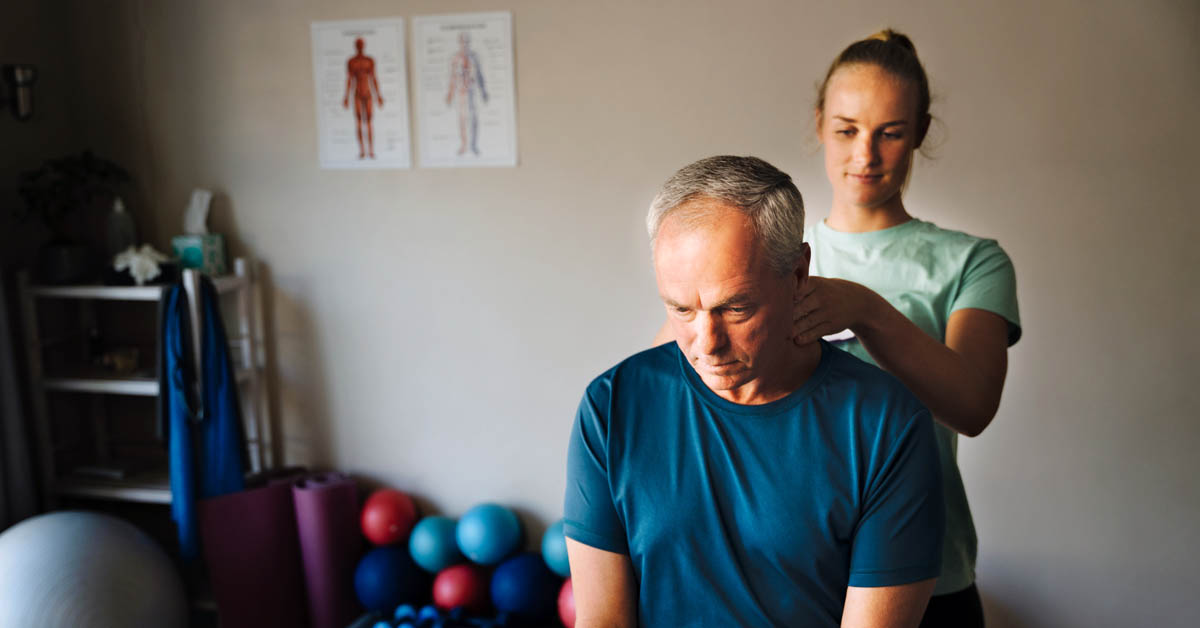
Exercise training and patient education are widely used approaches for managing chronic neck pain. In recent years, researchers have focused on identifying the most effective and cost-efficient treatment strategies by evaluating which components of care deliver the greatest benefit. One recent randomized controlled trial examined whether combining exercise therapy with patient education produces better outcomes […]

Chronic fatigue syndrome (CFS), also known as myalgia encephalomyelitis (ME/CFS), is a complex and disabling illness marked by persistent, unexplained fatigue and a range of symptoms including musculoskeletal pain, sleep disturbances, headaches, difficulty concentrating, and impaired short-term memory. These symptoms significantly reduce quality of life and daily functioning. Current estimates suggest CFS may affect more […]
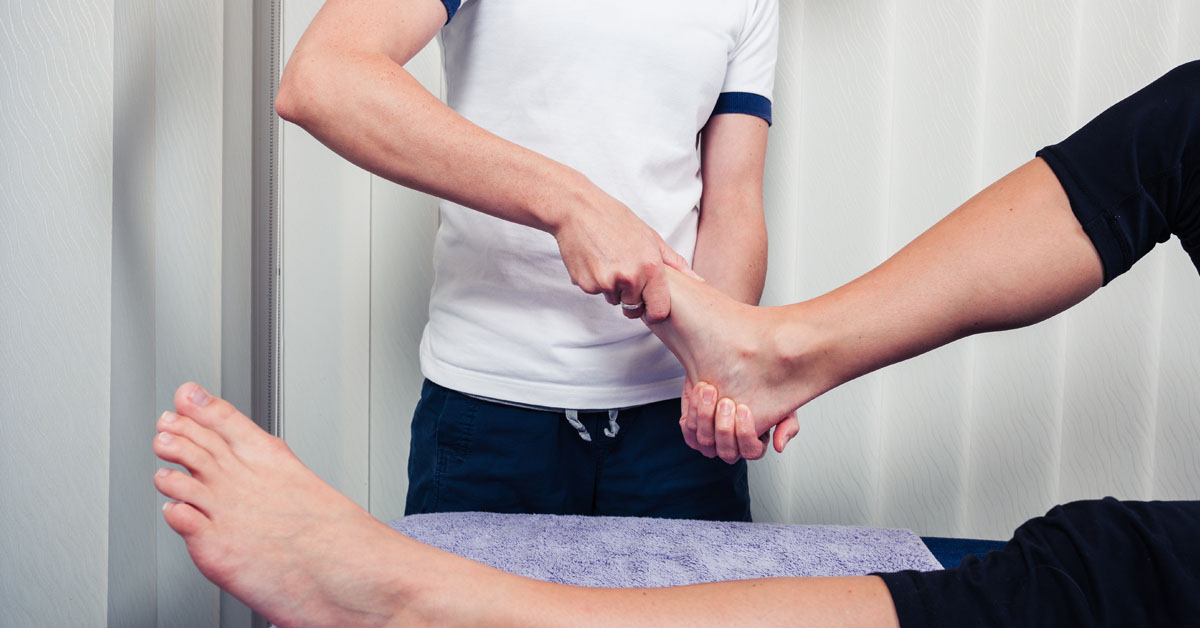
Ankle sprains are tricky injuries for two reasons. First, the ankle is a complicated joint managing high loads. But perhaps more importantly, ankle sprains can give the impression of full healing after a period of relative rest and protection – lulling young and old alike into a false sense of readiness. The fact of the […]

As the nation continues to confront the opioid epidemic, safer and more effective ways to treat pain are gaining overdue recognition. National health guidance now emphasizes using non-opioid and non-drug approaches for pain whenever appropriate, with physical therapy featured as a leading option. Unlike medications that primarily mask discomfort, physical therapy focuses on improving movement […]
