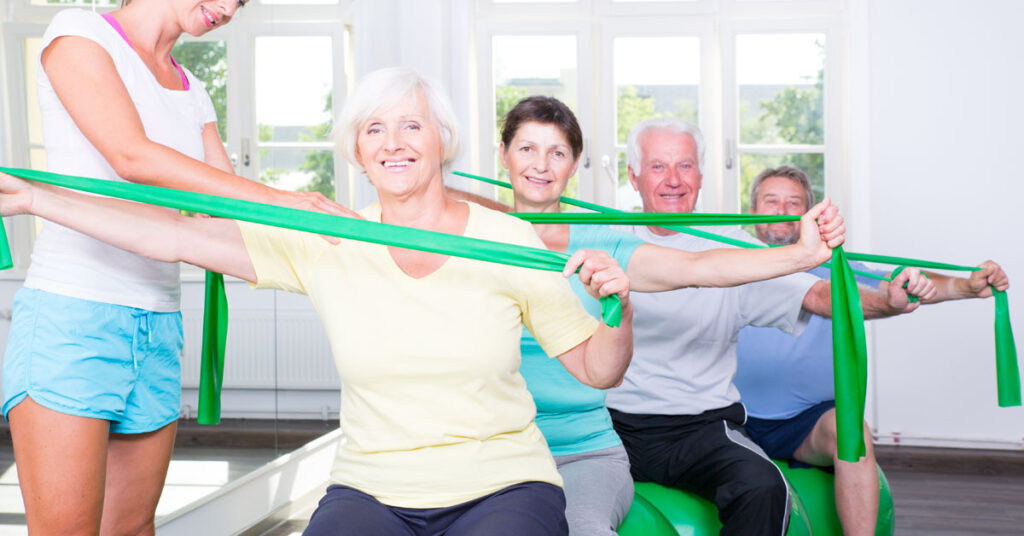
Falls are a major concern for adults aged 65 and older. Each year, more than one in four people experience a fall, and these incidents are the leading cause of both nonfatal and fatal injuries in this age group. When a fall leads to an injury such as a hip fracture, the impact on independence, mobility, and overall quality of life can be substantial. A key strategy to reduce fall risk is to include regular balance-enhancing exercises.
How do balance exercises help?
Balance work engages the muscles of the core, lower back and legs, all keys for stability and recovery if you lose your footing. While some of these movements can be challenging at first, doing them frequently and consistently helps them become easier and more natural. It’s wise to gradually increase the number of repetitions or duration as you become steadier. And for extra safety: when starting out, have someone nearby or use stable support in case you need help.
Simple balance exercises you can do at home
Here are three approachable options to incorporate into your routine:
These exercises are easy to include in daily life, for example, you could practice “walk the line” while walking to your car at the grocery store, or perform a few heel raises while waiting in line at the bank. Over time, these small moments add up.
For older adults who already have a higher fall risk (for instance, due to previous falls, weaker gait, or other health factors), it’s a good idea to schedule a professional assessment, such as with a physical therapist, who can design a customized program.
{{head}}