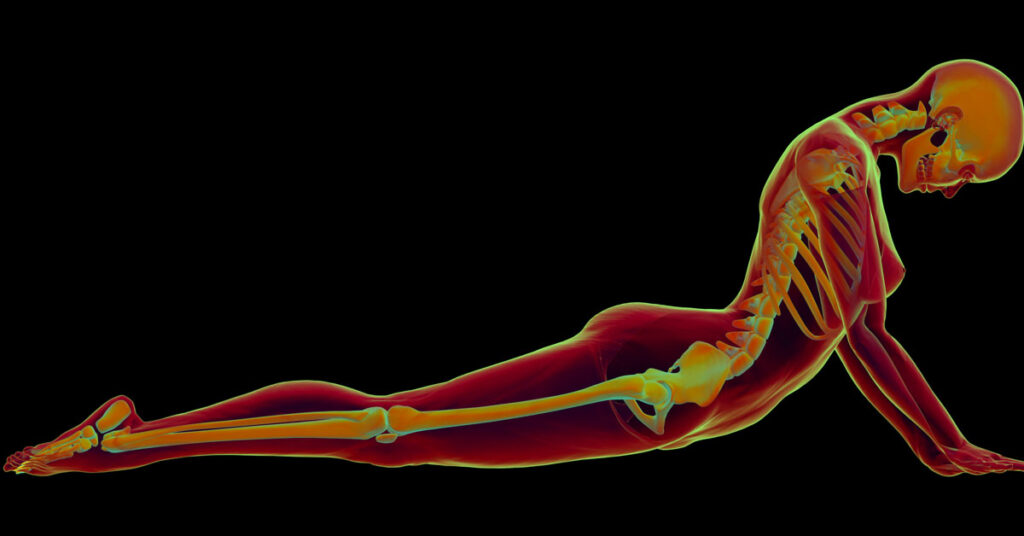
Our bones are made primarily of calcium and other minerals and are in a constant state of renewal. Old bone tissue is broken down and replaced with new tissue. However, for individuals with osteoporosis, bone breakdown happens faster than it can be rebuilt. While losing some bone mass is a natural part of aging, failing to care for our bones can lead to excessive loss and fragility.
Controllable Risk Factors for Osteoporosis
Several lifestyle choices can influence your bone health. You can take action to reduce these risks:
Diet: Poor nutrition, especially low calcium intake, weakens bones.
Lack of exercise: Physical inactivity accelerates bone loss.
Body weight: Being underweight can increase bone fragility.
Smoking: Tobacco use is directly linked to reduced bone density.
Uncontrollable Risk Factors
Some osteoporosis risks cannot be changed, but awareness is key:
Age: Bone density decreases naturally over time.
Gender: Women are at greater risk, especially after menopause.
Family history: Genetics play a role in bone health.
Ethnicity: People of Caucasian or Asian descent are generally at higher risk.
Steps to Protect and Strengthen Your Bones
Simple, consistent habits can help prevent or slow bone loss:
Eat calcium-rich foods such as dairy products, leafy greens, and fortified foods.
Get enough vitamin D to aid calcium absorption, either through sunlight or supplements.
Stay physically active, including weight-bearing and resistance exercises.
Avoid smoking and limit alcohol to maintain bone strength.
Bone health matters at every stage of life. Many people don’t realize their bones are weakening until significant loss has already occurred. By adopting healthy habits early, you can build and preserve strong bones for years to come. It’s never too soon to start caring for your skeletal health.