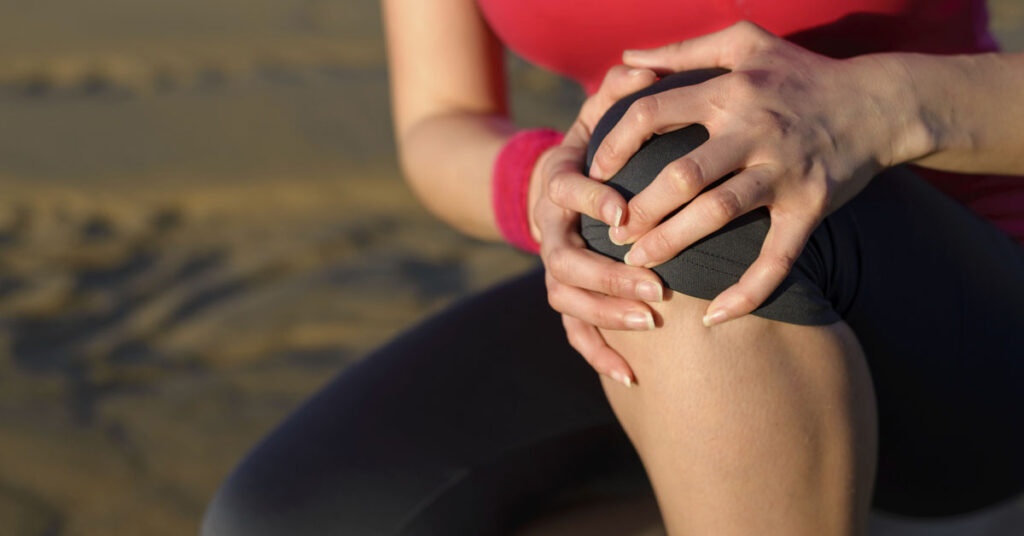
Knee pain isn’t just a fleeting inconvenience; it can be a long-term challenge if not properly addressed. One common culprit is patellofemoral pain syndrome (PFPS), a condition affecting about 23% of people in general, and nearly 29% of active adolescents.1
It’s not rare for PFPS to stick around, or even resurface, over the years. Research shows that in long-term follow‑ups, over 50 % of individuals still report persistent pain 5 to 8 years later. For adolescents, the outlook can be equally tough: many continue to experience symptoms well beyond their teenage years. Other studies suggest recurrence rates range from 70% to 90% without comprehensive intervention.
In short, PFPS isn’t something that just goes away on its own. It demands attention and consistent action.
PFPS typically causes pain behind or around the kneecap, and it often flares during weight-bearing movements like squatting, climbing stairs, or even sitting for long periods. At its core, it’s often about the way the kneecap tracks: when the quadriceps muscles (particularly the vastus medialis and lateralis) aren’t functioning in balance, the kneecap alignment suffers.
Notably, it’s not just about the knee. Weaknesses in hip abductors, core, and gluteal muscles also play a key role, and modern guidelines emphasize strengthening these areas alongside the quads.
Resting and popping pain meds might give short-term relief, but without addressing underlying issues, pain often returns.
Controlled trials, such as the 2009 BMJ study, revealed that patients who followed supervised exercise therapy (paired with education) had significantly less pain and better function at both 3‑ and 12‑month follow-ups compared to those who just rested or received standard care.
Moreover, early physical therapy not only lowered recurrence rates but also reduced overall healthcare costs compared to delayed treatment.
Here’s what makes a difference in battling PFPS, for good:
Incorporating these steps can break the cycle of recurring pain, whether you’re starting today or catching up after years of discomfort.
Sources:
