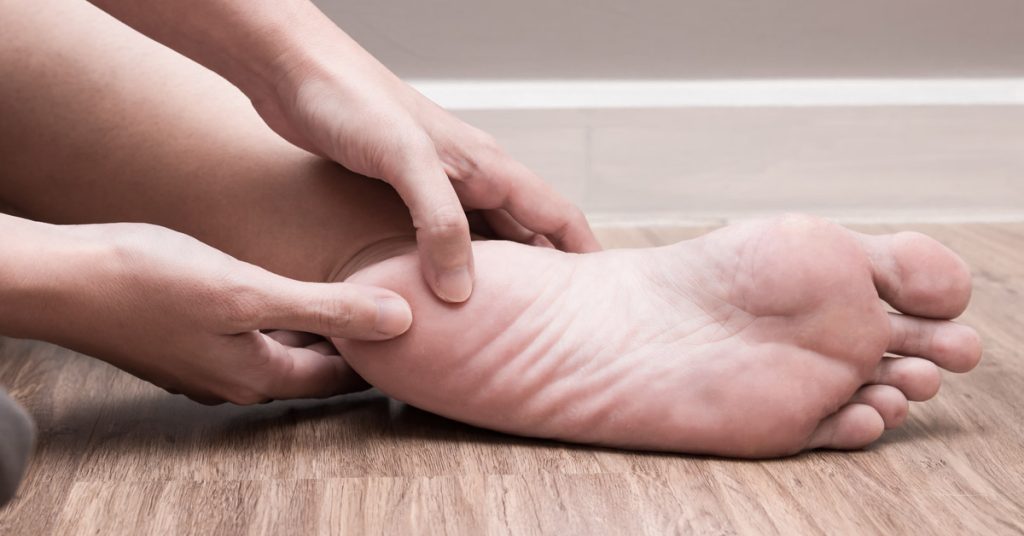
Heel pain can significantly hinder everyday activities such as walking and standing. The foot serves as the foundation of your body, and any issues affecting it should be addressed promptly to prevent further complications. Poor ankle and toe mobility can exert stress on structures contributing to heel pain. Moreover, compromised mobility can lead to compensatory patterns that affect the foot, knee, hip, and spine, increasing the risk of pain in these areas.
What Causes Heel Pain?
Heel pain may stem from several factors:
Achilles Tendinitis: Degeneration of the Achilles tendon, which connects the calf muscles to the heel bone, causing pain in the lower leg and back of the heel.
Plantar Fasciitis: Degeneration of the plantar fascia, a fibrous tissue supporting the arch of the foot and absorbing shock during walking.
Bursitis: Inflammation of the bursae, fluid-filled sacs protecting muscles, tendons, and ligaments from friction.
Thinning of Fat Pad: Reduction in the cushioning fat pad beneath the heel, diminishing its shock-absorbing capacity.
How Can Heel Pain Be Addressed?
To effectively manage heel pain:
Assess Foot and Ankle Mechanics: Evaluate ankle flexibility and dynamic foot posture during activities to determine the root cause of pain.
Immediate Relief Strategies:
Support the arch and heel with appropriate footwear, orthotics, or shock-absorbing cushions.
Perform stretches for the ankle and toes, such as calf stretches and toe flexion exercises.
Strengthen the foot and ankle using resistance band exercises, heel raises, and balance training.
If you’re unsure what’s causing your heel pain or looking for effective relief, book an appointment to begin your path toward becoming pain-free and improving your mobility.