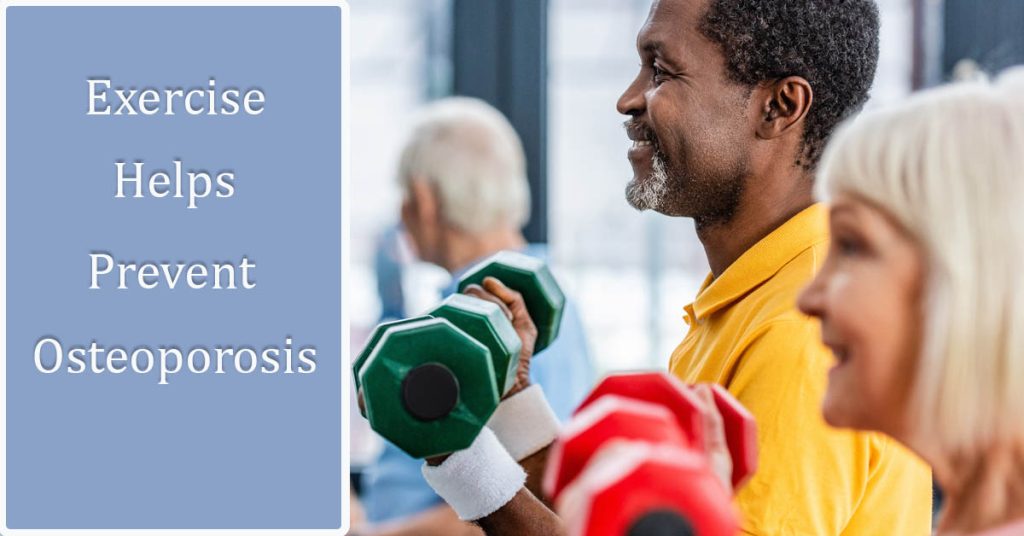
Osteoporosis or “porous bone” is a disease of the skeletal system characterized by low bone mass and deterioration of bone tissue. Osteoporosis leads to an increased risk of bone fractures typically in the wrist, hip, and spine. Diet and exercise can do a lot to not only prevent osteoporosis, but to also reverse osteoporosis that is already occurring. A lifestyle that protects bone health starts in childhood.
When we reach late retirement years, many people exercise less out of fear of self-injury or worry about making some health condition worse. Ironically, it is usually the regular activity and exercise that will decrease the risk of future injury and make many chronic conditions better — when the exercises and activities are done correctly. If you or someone you care about would benefit from a safe activity consultation or a targeted program for bone health, call a physical therapist to schedule a consultation.
While men and women of all ages and ethnicities can develop osteoporosis, some of the risk factors for osteoporosis include those who are:
Regular physical activity has been associated with many positive health benefits including strong bones.1 Like proper calcium consumption, adequate weight-bearing physical activity early in life is important in reaching peak bone mass. Weight-bearing physical activities are those that cause muscles and bones to work against gravity. Some examples of weight bearing physical activities include:
Incorporating weight-bearing physical activity into an exercise plan is a great way to keep bones healthy and meet physical activity recommendations set forth in most health guidelines.
Source:
