10 Essential Practices for Maintaining Balance as You Age
As we journey through life, maintaining balance becomes increasingly important. Aging brings about changes in our bodies and minds, making it crucial to prioritize practices that support physical stability and emotional well-being. This article explores the ten best things you can do to help maintain balance as you age, enabling you to lead a fulfilling and vibrant life.
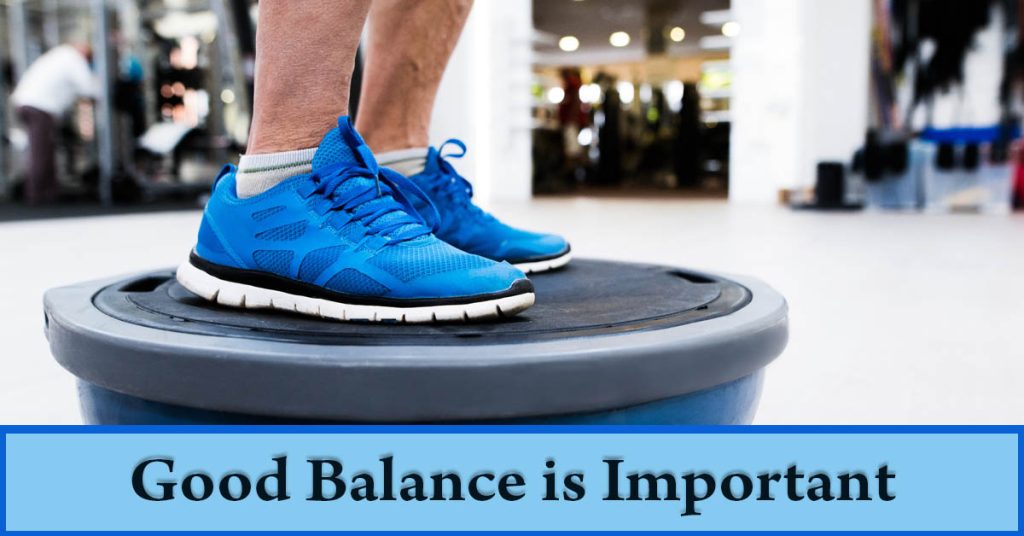
Engaging in regular physical activity is crucial for maintaining balance and preventing falls. Focus on exercises that improve strength, flexibility, and balance, such as walking, tai chi, yoga, or water aerobics. Consult with a healthcare professional to develop an exercise plan tailored to your specific needs.
Incorporate strength training into your fitness routine. Building and maintaining muscle strength helps support stability and prevents age-related muscle loss. Consider using resistance bands, free weights, or weight machines, and remember to start with lighter weights and gradually increase intensity under proper supervision.
Proper nutrition plays a vital role in maintaining overall health and balance. Include a variety of fruits, vegetables, whole grains, lean proteins, and healthy fats in your diet. Stay adequately hydrated, limit processed foods, and avoid excessive alcohol consumption.
Regular eye and hearing exams are essential to identify and address any issues that may affect your balance. Poor vision or hearing can increase the risk of falls, so ensure you have the appropriate corrective measures in place, such as glasses or hearing aids.
Stress and anxiety can affect our balance and overall well-being. Incorporate stress reduction techniques into your routine, such as meditation, deep breathing exercises, or engaging in activities that bring you joy. Practicing mindfulness can help improve focus, reduce tension, and promote emotional balance.
Maintaining an active social life has numerous benefits for balance and overall health. Regular social interactions help combat feelings of loneliness and isolation, improve cognitive function, and provide a support network. Engage in activities and join clubs or groups that align with your interests.
Ensure your living space is safe and free from hazards that may lead to falls. Install grab bars in the bathroom, secure rugs to prevent tripping, improve lighting in dimly lit areas, and declutter walkways. Consider seeking professional assistance to conduct a home safety assessment.
Adequate sleep is vital for physical and mental health, including balance. Establish a regular sleep schedule, create a comfortable sleep environment, and practice good sleep hygiene. Avoid consuming caffeine or engaging in stimulating activities close to bedtime.
Schedule regular check-ups with your healthcare provider to monitor your overall health. Discuss any concerns you may have about balance or mobility, as they can provide guidance, identify potential issues early on, and recommend appropriate interventions.
If you experience difficulties with balance or mobility, consider using assistive devices. Canes, walkers, or mobility scooters can provide support and stability, reducing the risk of falls. Consult with a healthcare professional to determine the most suitable device for your specific needs.
Maintaining balance as you age is a multifaceted endeavor that requires attention to physical, mental, and environmental factors. By incorporating these ten essential practices into your lifestyle, you can promote balance, stability, and overall well-being. Remember, it’s never too late to start taking care of yourself, and by doing so, you can enjoy a more fulfilling and active life as you age.