Physical Therapy Opt-Out
https://physicaltherapy-optout.nwsltr.infoCore Stability is Important
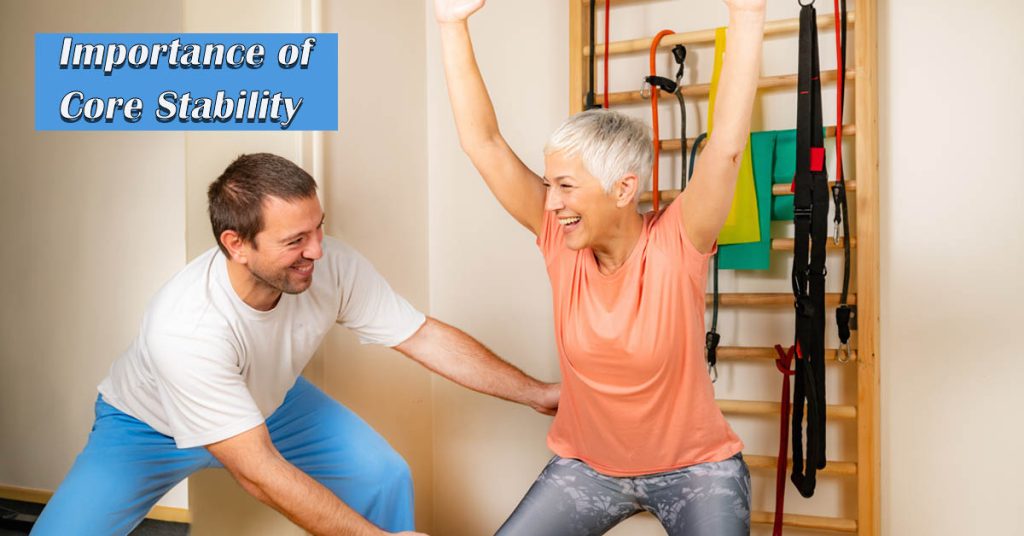
Core stability is important for overall function. Before we go into the benefits of it, we should define what the “core” area is. Core area refers to the muscles around the center of your body. These include the muscles right above the hips, below the shoulders, and all the torso area (including the front, side, and back of the body). These include the muscles that stabilize the hips and shoulders. Their primary function is to protect the spine from injury. Below are other benefits of core stability.
- Better posture.
- Better balance.
- More efficient movement.
- More powerful movement.
- Increased protection from muscle tears and injury.
There are several ways to train for core stability. One great exercise is planking. Side and forward planking works all the core muscles. Exercises such as crunches or sit ups may be counterproductive as they do not work out all of the core muscles and put strain on the lower back. Other beneficial exercises may include:
- Chair Leg Squats. Stand in front of the chair, slowly squat to sit down on the chair keeping knees aligned, not passing over the toe, and stand back up again.
- Squat Reach and Jump. Keeping feet shoulder-width apart, bend knees to lower body into a squat. From the squat position, straighten the body and jump upward reaching both arms forward.
- Rows. Hold a weight in each hand, lean forward at the hips, keeping back straight and core muscles tight. Bend at the elbows squeezing the shoulder blades backwards and then move arms back towards the front.
Studies have shown that simple therapeutic exercises are effective in activating both abdominal and paraspinal muscles.1 Remember to consult a physical therapist or other qualified healthcare provider before beginning any new exercise regimen.
Learn more:
Healthier. Happier. [Internet] Available from: https://www.healthier.qld.gov.au/fitness/workouts/stability-and-balance/
Reference: